Reviewing the Christmas Sock Sketch for Holiday Embroidery
As an experienced designer who has spent countless hours digitizing and stitching out holiday motifs, I approach every new machine embroidery design with a critical eye. It is not just about whether the image looks cute on a screen; it is about how it translates to thread, how it behaves on fabric, and whether it adds genuine value to a finished product. Recently, I evaluated the Christmas Sock Sketch. Winter Holiday De, a piece categorized under Illustrations, to determine its viability for real-world commercial and personal projects. Here is my practical assessment of how this design performs in the hoop.
First Impressions: Mood and Visual Personality
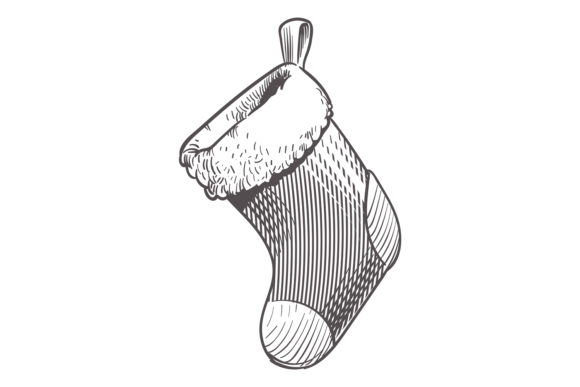
The first thing that strikes you about the Christmas Sock Sketch. Winter Holiday De is its hand-drawn aesthetic. In a market saturated with overly polished, vector-perfect clip art, a sketch-style design offers a refreshing sense of warmth and nostalgia. The lines appear organic, suggesting the comfort of a cozy winter evening rather than the rigid precision of corporate branding. This visual personality is crucial because it dictates where the design belongs. It does not scream for attention with neon brightness or complex shading; instead, it invites a closer look.
For embroidery designers, this "sketch" quality presents both an opportunity and a challenge. The layout relies on line work and subtle detailing rather than heavy fill areas. This means the design feels lightweight and breathable, which is ideal for garments where you do not want a stiff, cardboard-like patch of stitches. However, it also means that the clarity of the running stitch or fine satin stitch outlines must be impeccable. If the digitizing is too loose, the sketch effect becomes messy; if it is too dense, it loses its airy charm. From my initial review, the balance seems well-struck, preserving the illustrative integrity while ensuring stitchability.
Real-World Application: From Tote Bags to Sweatshirts
To truly test a design, you must imagine it on actual products. I visualized the Christmas Sock Sketch. Winter Holiday De on a natural canvas tote bag design. The neutral background of unbleached cotton allows the thread colors to pop without competing with the fabric. A simple two-tone thread palette—perhaps a deep forest green and a soft cream—would highlight the sketch lines beautifully. This application works exceptionally well for Etsy sellers looking to create minimalist holiday merchandise that appeals to customers who prefer understated elegance over flashy decor.
Another strong candidate for this design is sweatshirt embroidery. When placed on the left chest of a heather grey or navy crewneck, the design acts as a subtle accent rather than a dominant graphic. This is perfect for custom apparel lines targeting young adults or families who want festive wear that can be worn beyond December 25th. The sketch style ages well; it does not look dated after one season. For baby embroidery projects, such as a muslin swaddle or a onesie, the lightweight nature of the design is a significant advantage. Parents often worry about heavy stitching irritating sensitive skin, but a sketch-style motif typically uses less thread and sits flatter against the fabric.
I also considered its use on an embroidered patch. If you plan to create iron-on or sew-on patches for jackets or hats, this design’s clear outlines make it easy to cut and finish. The lack of intricate, tiny internal details reduces the risk of fraying edges, making it a safer choice for small-batch craft business items that need to withstand handling and shipping.
Navigating Technical Challenges and Fabric Choices
While the aesthetic is appealing, practical execution requires careful planning. The Christmas Sock Sketch. Winter Holiday De relies on finer details, which means it demands respect regarding stitch density and fabric texture. Using this design on highly textured fabrics, such as thick terry cloth towels or fuzzy fleece, can cause the finer lines to get lost in the pile. In these cases, I recommend using a stabilizer that provides extra lift or choosing a slightly bolder thread weight to ensure visibility.
Curved surfaces present another challenge. If you are applying this to a cap or hat, the distortion from the curve can stretch the sketch lines, potentially altering the proportions. It is essential to hoop the cap correctly and possibly adjust the pull compensation in your digitizing software if you have the editable file. For dark fabrics, the contrast becomes key. A sketch design often uses single-color threads, so if you stitch white thread on black fabric, any gaps in the stitching will be glaringly obvious. Testing on scrap fabric is non-negotiable here to ensure the stitch coverage is consistent.
Additionally, consider the hoop size. While the design may fit in a standard 4x4 inch hoop, ensure that the placement allows for proper stabilization around the edges. If the design includes any tiny lettering or intricate corners, verify that your machine can handle the detail without thread breaks. For commercial embroidery runs, consistency is vital, so running a test batch on the exact material you intend to sell is the only way to guarantee quality.
Enhancing Brand Value and Customer Trust
From a business perspective, the choice of design assets directly impacts brand perception. Using a high-quality, cohesive illustration like the Christmas Sock Sketch. Winter Holiday De signals professionalism. It shows that you care about the artistic merit of your handmade product. Customers are increasingly savvy; they can distinguish between generic, mass-produced graphics and thoughtful, curated designs. This sketch style aligns well with brands that emphasize authenticity, craftsmanship, and slow fashion.
When creating printable mockup previews for your online shop, this design photographs well because it does not create harsh shadows or bulky textures. This makes it easier to showcase the finished product in lifestyle images, enhancing buyer engagement. Whether you are selling a personalized gift or a ready-to-ship item, the visual appeal of the embroidery contributes to the perceived value, allowing you to price your items competitively while maintaining healthy margins.
Practical Notes for Designers and Makers
Before you commit to stitching this design on client projects or inventory, keep these practical tips in mind:
- Test on Scrap Fabric: Always run a test stitch-out on the same type of fabric you plan to use. Check for puckering or thread breaks.
- Check Thread Contrast: Ensure your thread colors provide enough contrast against the fabric, especially for sketch-style lines that may be thin.
- Review Stitch Density: If the design feels too light, consider adding a subtle underlay or adjusting the density to improve coverage without losing the sketch feel.
- Confirm Hoop Size: Verify that the design fits comfortably within your hoop with adequate margin for stabilization.
- Inspect Small Details: Zoom in on the digital file to check for any potential jump stitches or overlapping paths that could cause issues.
- Use Proper Stabilizer: Match your stabilizer to the fabric weight. Cut-away stabilizers are often best for stretchy knits, while tear-away works for woven cottons.
- Verify Licensing: Before selling finished items or using the digital embroidery file for commercial purposes, confirm the license terms provided by the creator.
In conclusion, the Christmas Sock Sketch. Winter Holiday De is a versatile and charming addition to any holiday design library. It bridges the gap between artistic illustration and functional embroidery, offering a unique aesthetic for small shop products and personalized creations. By paying attention to fabric choice, stabilization, and stitch quality, you can leverage this design to create standout pieces that resonate with customers seeking warmth and authenticity in their holiday decor and apparel.