Reviewing Christmas Drink Deer for Holiday Embroidery
As an embroidery designer who has spent countless hours digitizing, testing, and stitching thousands of designs, I approach every new machine embroidery design with a critical eye. It is not just about whether the image looks cute on a screen; it is about how those stitches lay down on fabric, how the tension holds up after washing, and whether the final finished product feels premium enough to sell. Recently, I evaluated Christmas Drink Deer, a charming piece from the Illustrations category, to see if it holds up in real-world applications. For Etsy sellers, craft business owners, and hobbyists alike, understanding the practical nuances of a design before hooping it is the difference between a bestseller and a return.
First Impressions: Mood and Visual Personality
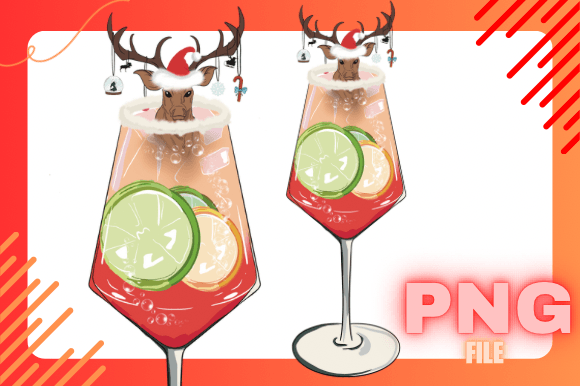
The first thing that strikes you about Christmas Drink Deer is its whimsical, cozy atmosphere. It captures that specific holiday nostalgia associated with warm beverages and winter comfort. The layout is balanced, avoiding the clutter that often plagues seasonal designs. From a designer’s perspective, the visual personality is approachable and friendly, making it highly versatile. It does not scream for attention with aggressive colors or chaotic lines; instead, it invites a closer look. This subtlety is crucial for modern handmade product lines where minimalism and charm often outsell loud, overly complex graphics. The theme naturally leans toward holiday gifting, but its aesthetic is soft enough to remain relevant throughout the entire winter season, not just the week of Christmas.
Real-World Application: The Tote Bag Test
To truly judge a design, you must imagine it on a physical item. I visualized Christmas Drink Deer stitched onto a natural canvas tote bag design. This is a staple item for any small shop product lineup. On canvas, the design’s lines need to be distinct enough to stand out against the textured weave. In this scenario, the deer motif serves as a central focal point. I imagined using a rich burgundy and forest green palette for the thread colors to contrast against the beige fabric. The result would be a sophisticated, boutique-style accessory rather than a cheap novelty item. This kind of application elevates the perceived value of the personalized gift, making it suitable for higher price points in a craft fair or online store.
Beyond tote bags, this design shines on sweatshirt embroidery. A crewneck sweatshirt in heather gray or cream provides a soft, neutral background that allows the details of the deer to pop. Here, the comfort of the imagery matches the comfort of the garment. For custom apparel businesses, this is a safe yet stylish choice that appeals to a broad demographic, from teenagers to grandparents. It avoids being too childish, which expands its marketability significantly.
Technical Performance and Stitching Clarity
When examining the technical aspects of any digital embroidery file, stitch density and clarity are paramount. Christmas Drink Deer appears to rely on a mix of fill stitch areas for the body of the deer and potentially satin stitch for finer details or text elements, though exact digitizing choices vary by vendor. In real-life stitching, this combination requires careful attention to your stabilizer choice. For knit fabrics like sweatshirts, a cut-away stabilizer is non-negotiable to prevent puckering around the denser fill areas. If you are stitching on a woven fabric like a tea towel or apron, a tear-away might suffice, but testing is essential.
The level of detail in this Illustrations style design suggests that it performs best in medium to large hoop sizes. Attempting to shrink this design too much for a small pocket or a tiny embroidered patch could result in lost definition. Tiny details may merge together if the stitch count is compressed beyond its intended scale. Therefore, respecting the recommended minimum size is critical for maintaining the integrity of the deer’s features. Always check the specific file specifications provided by the creator to ensure your machine can handle the complexity without thread breaks or bird’s nests.
Navigating Fabric Challenges
Not every fabric is a friend to every design. While Christmas Drink Deer is versatile, there are scenarios where caution is needed. Stitching on dark fabric requires high-contrast thread choices to ensure the design is visible. If you choose low-contrast colors, the intricate parts of the deer may disappear into the background, reducing the impact of your holiday embroidery project. Additionally, textured fabrics like fluffy towels or thick fleece can obscure fine lines. In these cases, simplifying the thread palette and ensuring robust underlay stitches becomes vital.
Stretchy fabrics present another challenge. If you are applying this to a baby onesie for baby embroidery, the stretch of the fabric can distort the design if not properly stabilized. Using a hoop-within-a-hoop technique or floating the garment with strong adhesive stabilizer can help maintain shape. For curved surfaces like caps, the design’s width must fit the cap’s front panel without wrapping around the sides, which can cause distortion during wear. Always mock up the placement digitally or with paper templates before committing to expensive garments.
Enhancing Brand Consistency and Customer Trust
For commercial embroidery professionals and digital product sellers, consistency is key to building brand trust. Christmas Drink Deer offers a cohesive look that can be part of a larger holiday collection. When customers see a well-stitched, clean design, they associate that quality with your brand. A sloppy stitch-out damages reputation, while a crisp, professional finish encourages repeat business. Using this design in printable mockup previews can help customers visualize the final product, increasing buyer engagement and conversion rates. Ensure that your mockups accurately represent the stitch texture and color vibrancy to avoid customer disappointment.
Practical Designer Notes for Best Results
Before you run this design on a client’s expensive jacket, follow these practical steps to ensure success:
- Test on Scrap Fabric: Always stitch a test sample on the same type of fabric you intend to use for the final product. This reveals tension issues and color interactions.
- Check Thread Contrast: View your design in black and white on your computer screen. If the details disappear in grayscale, they will likely lack definition in real life. Adjust your thread colors accordingly.
- Verify Licensing: Confirm the license terms for the embroidery file. Ensure you have the right to use it for commercial embroidery if you plan to sell finished items. Never assume; always read the terms.
- Inspect Small Details: Zoom in on the digitized file. Look for potential jump stitches or dense areas that might cause puckering. Edit if necessary, or adjust your stabilizer strategy.
- Consider the Hoop Size: Ensure your hoop is large enough to accommodate the design with adequate margin for clamping. Crowding the design near the hoop edge can lead to misalignment.
In conclusion, Christmas Drink Deer is a strong contender for your holiday design arsenal. It balances charm with technical feasibility, making it suitable for a wide range of embroidery projects. Whether you are creating a personalized gift for a loved one or stocking your Etsy seller shop with festive goods, this design offers the versatility and appeal needed to succeed. By paying attention to fabric choice, stabilization, and stitch quality, you can transform this digital asset into a tangible product that delights customers and enhances your reputation as a skilled maker. Remember, the best designs are those that not only look good on screen but perform flawlessly under the needle.