Reviewing Watercolor Christmas Drinks Clipart for Embroidery
As a designer who has spent countless hours digitizing and stitching various motifs, I approach every new Watercolor Christmas Drinks Clipart with a mix of excitement and scrutiny. We all know that what looks stunning on a digital screen does not always translate seamlessly to thread and fabric. When evaluating these illustrations for real-world application, my primary concern is always how the soft, fluid nature of watercolor art interacts with the structured, tactile reality of machine embroidery. This review is not just about aesthetics; it is about practical viability for your next craft business project or holiday gift.
The Visual Appeal and Mood
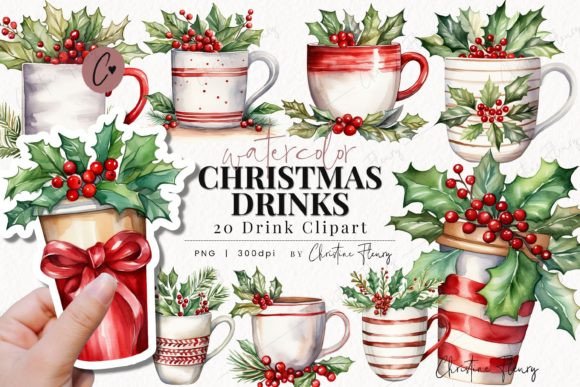
The first thing that strikes you about this collection is the warmth it evokes. The imagery typically features steaming mugs, hot cocoa with marshmallows, perhaps a splash of peppermint or a cinnamon stick, rendered in soft, bleeding edges characteristic of watercolor techniques. For an embroidery designer, this presents a unique challenge and opportunity. The mood is cozy, inviting, and distinctly festive without being overly loud or cluttered. It fits perfectly into the current trend of minimalist yet heartfelt holiday decor.
However, the "watercolor" effect is inherently digital. In embroidery, we do not have pixels that fade into transparency; we have threads. Therefore, the success of using Watercolor Christmas Drinks Clipart depends heavily on how well the design has been digitized to mimic those soft gradients. If you are looking at these as raw images for print-on-demand, they are fantastic. But for us stitchers, we must look deeper. Does the design rely on complex fill stitches to create shading? Or does it use clever color blending through thread choice? These are the questions that determine whether your finished product will look professional or messy.
Real-World Application: From Screen to Stitch
Let’s consider a common scenario: you are preparing a custom order for a local boutique. They want a line of embroidered tote bags for the holiday season. You choose a design from the Watercolor Christmas Drinks Clipart set featuring a simple mug of hot chocolate. On a canvas tote bag, which has a relatively coarse weave, this design can shine if handled correctly. The rustic texture of the fabric complements the organic feel of the watercolor style.
In this context, the design works best when simplified. A direct translation of a high-resolution watercolor painting into thousands of tiny satin stitches would result in a stiff, heavy patch that might warp the lightweight cotton of the tote. Instead, I recommend looking for versions of these illustrations that utilize running stitches for outlines and sparse fill stitches for the main body of the drink. This approach maintains the airy, light feel of the original art while ensuring the embroidery file remains flexible and durable.
Another excellent application is sweatshirt embroidery. A crewneck sweatshirt provides a stable, thick surface that can handle slightly denser stitching. Placing a small, detailed mug design on the left chest area creates a subtle, sophisticated look. It appeals to customers who want holiday embroidery that feels modern and understated rather than traditional and bold. The soft colors of the clipart blend beautifully with heather grey, navy, or cream fabrics, enhancing the perceived value of the handmade product.
Navigating Technical Challenges
While the aesthetic is charming, there are pitfalls to avoid. The biggest challenge with watercolor-style designs is the lack of hard lines. In embroidery, clarity is king. If the stitch density is too low, the design may look sparse and unfinished. If it is too high, the fabric will pucker, especially on thinner materials like tea towels or baby clothes.
When working with Watercolor Christmas Drinks Clipart, pay close attention to the small details. Tiny splashes of milk or steam wisps can easily get lost if they are digitized with too few stitches. I always advise testing the design on scrap fabric first. Check how the thread colors blend. Since watercolor relies on transparency, you may need to use variegated threads or carefully layered colors to achieve a similar effect. A solid block of red thread will never look like a watercolor wash; it will just look like a red shape.
Curved surfaces, such as caps or hats, require extra caution. The rigid nature of embroidery does not bend well. If the clipart design is wide or has intricate corners, it may distort when stitched onto a curved cap panel. In these cases, simplify the design further or opt for an applique design approach where fabric pieces are used to create the color blocks, reducing the number of stitches and keeping the profile low.
Commercial Viability and Brand Consistency
For Etsy sellers and small shop owners, consistency is key to building brand trust. Using Watercolor Christmas Drinks Clipart can help establish a cohesive visual identity, especially if you pair it with complementary fonts and packaging. However, you must ensure that the quality of the stitching matches the quality of the digital art. A blurry or poorly stitched design can damage your reputation faster than a bad photo.
Consider the target audience. Buyers of personalized gifts often look for items that feel special and unique. A well-executed embroidery project using these illustrations can command a higher price point because it appears artisanal and thoughtful. Whether you are creating custom apparel, nursery decor, or kitchen linens, the perceived effort and skill involved in translating a delicate watercolor image into thread adds significant value.
It is also crucial to verify licensing terms. Just because you purchased the clipart does not automatically grant you the right to sell finished physical goods or digital embroidery files derived from it. Always check the license included with the design assets. Some creators allow commercial use for finished products but restrict the resale of the digitized file itself. Clarifying this before you start stitching saves you from potential legal issues down the line.
Practical Tips for Best Results
- Test on Scrap Fabric: Always run a test stitch-out on the same type of fabric you plan to use for the final product. This helps you identify tension issues and color clashes.
- Check Thread Contrast: Watercolor designs often use subtle shifts in tone. Ensure your thread colors have enough contrast against the fabric background to remain visible.
- Use Proper Stabilizer: Given the potentially dense nature of fill stitches in shaded areas, a cut-away stabilizer is often safer than tear-away, especially for garments that will be washed frequently.
- Simplify Complex Details: If the original illustration has tiny, intricate elements, consider removing them or enlarging the overall design size to maintain clarity.
- Mockup in Black and White: Convert your digital preview to black and white to check for value contrast. If the design disappears in grayscale, it will likely lack impact when stitched.
Final Thoughts on Design Utility
In conclusion, Watercolor Christmas Drinks Clipart offers a delightful resource for embroidery designers willing to put in the extra effort to adapt digital art for thread. It is not a plug-and-play solution for every project, but with careful consideration of stitch types, density, and fabric choice, it can produce stunning results. Whether you are making a single personalized gift for a friend or stocking your small shop with holiday merchandise, these illustrations provide a versatile foundation. The key lies in respecting the limitations of the medium while leveraging its strengths to create something tangible, warm, and beautifully crafted.
Remember, the goal is not to replicate the pixel-perfect fade of a computer screen, but to capture the spirit of the image through the texture and sheen of thread. When done right, the result is a finished product that feels both modern and timeless, appealing to anyone who appreciates the charm of handmade holiday decor.