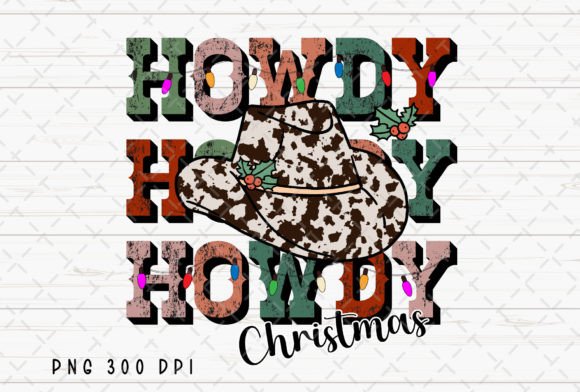
Reviewing the Howdy Christmas Cowboy Cowgirl Western Design
As a designer who has spent years digitizing patterns and testing them on everything from flimsy silk to heavy denim, I approach every new machine embroidery design with a mix of curiosity and skepticism. We have all seen those cute holiday graphics that look perfect on a screen but turn into a tangled mess of thread breaks and puckering once they hit the needle. That is why I took a close look at the Howdy Christmas Cowboy Cowgirl Western design before committing it to any client project or personal stash. This isn’t just about whether it looks cute; it is about whether it holds up under the mechanical stress of embroidery and delivers value to the end user.
First Impressions: Mood and Visual Personality
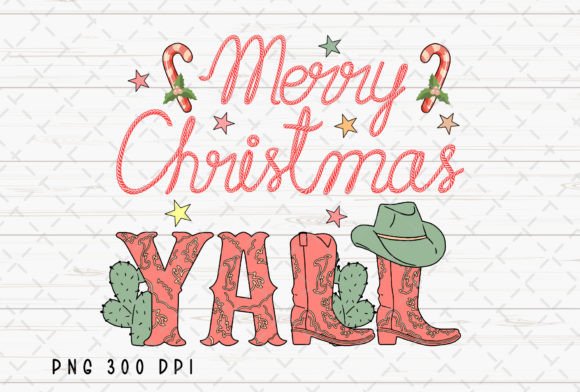
The first thing that strikes you about this piece is its distinct thematic blend. It manages to merge the rugged, nostalgic charm of the Wild West with the warmth of the holiday season without feeling forced. The layout feels balanced, avoiding the clutter that often plagues seasonal Illustrations when they are converted into stitch files. The visual personality is friendly and inviting, making it an excellent candidate for products that rely on emotional connection, such as personalized gifts or boutique merchandise.
From a design perspective, the lines appear clean. In embroidery, clean lines translate to fewer jumps and smoother color transitions. The motif suggests a narrative—perhaps a cowboy tipping his hat or a cowgirl holding a festive element—which gives it a storybook quality. This is crucial for Etsy sellers and craft business owners because customers are not just buying a stitch pattern; they are buying a feeling. This design evokes nostalgia, comfort, and a bit of playful Americana, which is a powerful sales driver during the fourth quarter.
Real-World Application: The Tote Bag Test
To truly evaluate a design, you have to imagine it on a physical product. I pictured this design centered on a natural canvas tote bag design. Canvas is a forgiving fabric, but it reveals poor digitizing quickly if the stitch density is too high or the underlay is insufficient. For a handmade product like this, the Howdy Christmas Cowboy Cowgirl Western motif works well because its shapes are likely broad enough to cover the weave of the fabric without sinking in.
I also considered it for sweatshirt embroidery. A fleece or cotton-blend crewneck is a staple for holiday sales. Here, the design’s scale becomes critical. If the elements are too small, they get lost in the nap of the fleece. If they are too large, the garment becomes stiff and uncomfortable. Based on the visual weight of this western-themed art, it seems ideally suited for a left-chest placement on adult apparel or a larger central placement on children’s items. It avoids the tiny, intricate details that often cause frustration when stitching on textured fabrics.
Navigating Fabric Challenges and Stitch Types
While the design is versatile, it is not universal. Experienced embroiderers know that certain elements require careful handling. If this design utilizes satin stitch for borders or text, you must be mindful of the width. Satin stitches wider than 7mm can snag easily, especially on items like custom apparel that will be worn and washed frequently. If the design relies heavily on fill stitch areas, check the density. High-density fills on stretchy fabrics like jersey t-shirts will cause puckering unless you use a robust cut-away stabilizer.
For those considering this for an embroidered patch, the design’s closed shapes are an advantage. Patches require dense stitching to create a solid, durable surface that can be cut out or merrowed. However, if you plan to use this on thin fabric, such as a kitchen towel or a baby onesie, you must test it first. Thin materials cannot support heavy stitch counts. In these cases, using a lightweight tear-away stabilizer and possibly reducing the stitch density in your machine settings might be necessary to prevent the fabric from gathering around the hoop.
Considerations for Small Hoops and Curved Surfaces
One common mistake makers make is forcing a large design into a small hoop size. If you are planning to put this on a cap, remember that caps have curved surfaces and limited space. A complex western scene might distort when hooped on a curved brim. It is essential to check the actual dimensions of the embroidery file before purchasing or stitching. If the design includes small lettering or fine details, these may not resolve well on a cap’s twill fabric. For headwear, simpler versions or smaller placements often yield a more professional finished product.
Dark fabrics present another challenge. If you are stitching this on a navy or black sweatshirt, your thread colors need to pop. Western themes often use earth tones—browns, tans, and creams. On dark fabric, these light threads show every imperfection. Ensure your tension is perfectly balanced. A slight loop on the back can ruin the look of a premium item. Always run a test on scrap fabric of the same type and color before committing to the final garment.
Commercial Value and Brand Consistency
For small shop product creators, consistency is key. This design fits seamlessly into a broader western or rustic holiday collection. It allows for brand consistency if you are already selling similar themed items. Using a cohesive set of design assets helps build recognition. When a customer sees this Howdy Christmas Cowboy Cowgirl Western motif, they should immediately associate it with the quality and style of your brand.
Moreover, the commercial appeal lies in its giftability. Holiday shoppers are looking for unique items that stand out from mass-produced goods. An embroidered apron or pillow cover featuring this design feels personal and thoughtful. It elevates a simple household item into a keepsake. This perceived value allows for higher pricing points, which is essential for sustaining a profitable craft business. However, always verify the license terms. Just because a design is labeled for commercial use does not mean you can resell the digital embroidery file itself. Typically, you are selling the physical stitched item, not the digital data.
Practical Designer Notes for Best Results
Before you load this design into your machine, take a moment to review the technical specifics. Since exact stitch counts and formats were not provided in the initial overview, you must check these details in the product description. Ensure the file format matches your machine (PES, DST, JEF, etc.). Here is a quick checklist for success:
- Test on Scrap Fabric: Never stitch directly on your final product. Use a similar fabric and stabilizer combination to check for puckering or thread breaks.
- Check Thread Contrast: Lay out your threads before starting. Ensure there is enough contrast between adjacent colors to define the shapes clearly.
- Inspect Small Details: Zoom in on the digital preview. Are there tiny elements that might break? If so, consider removing them or simplifying the design.
- Use Proper Stabilizer: Match the stabilizer to the fabric. Cut-away for knits, tear-away for wovens, and wash-away for delicate or sheer fabrics.
- Verify Licensing: Confirm whether the design allows for commercial sales of finished items. This is critical for Etsy sellers and boutique owners to avoid legal issues.
In conclusion, the Howdy Christmas Cowboy Cowgirl Western design offers a charming and commercially viable option for holiday embroidery projects. Its strength lies in its thematic clarity and potential for versatile application across various textiles. By paying attention to stitch density, fabric choice, and proper stabilization, you can transform this digital asset into a high-quality personalized gift or best-selling inventory item. Remember, the best embroidery is not just about the design; it is about the execution. Take the time to test, adjust, and refine, and this western holiday motif will surely delight your customers.