Reviewing Christmas Easter Egg Clipart for Stitching
As a designer who has spent countless hours digitizing and testing machine embroidery design files, I approach every new asset with a mix of curiosity and caution. We have all been there: you find a cute graphic online, assume it will translate perfectly to thread, and then watch in horror as the fabric puckers or the details vanish into a blob of satin stitch. Today, I am taking a close look at Christmas Easter Egg Clipart. At first glance, the title suggests a whimsical, perhaps contradictory mashup of holidays, but for us in the craft industry, it represents a unique niche of seasonal crossover decor. Let’s break down how this illustration holds up when moved from the screen to the hoop.
First Impressions and Visual Personality
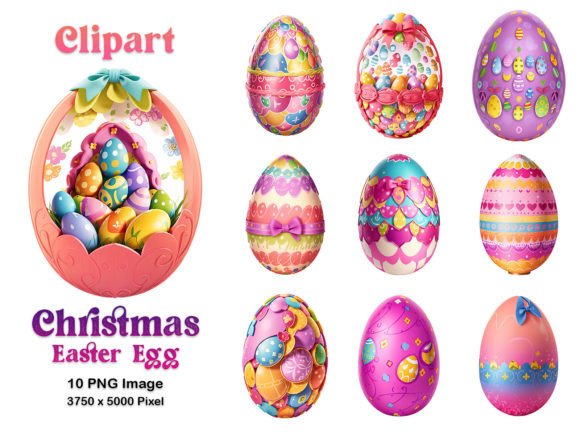
The immediate mood of Christmas Easter Egg Clipart is playful and eclectic. It bridges the gap between winter coziness and spring renewal, which is surprisingly effective for late-winter marketing campaigns or early holiday prep. The shapes are generally rounded and organic, which is a good sign for embroidery. Sharp, angular corners are the enemy of clean stitching, so the soft curves of egg shapes naturally lend themselves to smooth fill stitch coverage. However, the "Christmas" element likely introduces details like holly, snowflakes, or ribbons. These finer elements require a keen eye for stitch density. If the original Illustrations are too intricate, they may not survive the translation to thread without significant simplification.
When I visualize this on a product, I do not see it as a standalone piece of art but as a central anchor for a larger composition. The visual personality is friendly and approachable, making it ideal for handmade product lines that target families, children, or gift-givers looking for something unique. It lacks the stiff formality of traditional holiday motifs, offering instead a charming, hand-drawn aesthetic that resonates well with modern Etsy seller audiences who value authenticity over perfection.
Real-World Application: The Tote Bag Test
To truly evaluate Christmas Easter Egg Clipart, I imagine applying it to a heavy cotton canvas tote bag design. This is a staple item for any craft business. On a tote, the design needs to be bold enough to be seen from a distance but detailed enough to reward closer inspection. The egg shape provides a solid base for color blocking. If the clipart uses distinct sections for different patterns—say, a knitted sweater pattern on one egg and a floral spring motif on another—it translates beautifully into varied stitch types. You might use a dense satin stitch for borders and a lighter fill for the background areas to keep the fabric flexible.
However, context matters. If you are planning to use this for sweatshirt embroidery, the texture of the fleece changes everything. A design that looks crisp on paper can get lost in the pile of a hoodie. In this scenario, I would recommend increasing the contrast between thread colors and avoiding overly subtle gradients. For a personalized gift, such as a child’s jacket, the whimsical nature of the clipart fits perfectly. It feels less like a corporate logo and more like a custom illustration, which adds perceived value to the finished product.
Navigating Fabric and Hoop Constraints
Not every surface is forgiving. When working with Christmas Easter Egg Clipart on curved surfaces like caps or hats, you must be wary of distortion. The rounded shape of the egg can actually work in your favor here, mimicking the curve of the cap panel, but only if the hoop size is appropriate. A 4x4 inch hoop might cramp the design, causing registration issues where the colors do not align properly. Always check the dimensions of the digital file against your machine’s capabilities.
Thin fabrics present another challenge. If you are stitching this onto a silk scarf or a lightweight summer dress, the stabilizer choice becomes critical. A cut-away stabilizer might be too stiff, ruining the drape of the garment, while a tear-away might not provide enough support for dense areas. I always advise testing on scrap fabric first. Look for puckering around the edges of the egg shapes. If you see pulling, reduce the stitch density or switch to a lighter weight thread. For baby embroidery items, comfort is paramount; ensure that the back of the stitching is covered or that the design uses minimal backing to prevent skin irritation.
Commercial Viability and Brand Consistency
For commercial embroidery projects, consistency is key. If you are building a brand around holiday-themed home goods, Christmas Easter Egg Clipart can serve as a versatile asset. It works well on kitchen towels, pillow covers, and aprons. The key to maintaining professionalism is ensuring that the digitized version matches the quality of the original design assets. Poorly digitized files with jump stitches or messy trims can undermine customer trust. Buyers may not know technical terms, but they recognize sloppy workmanship.
Using this clipart in printable mockup previews can help gauge customer interest before you commit to stitching dozens of units. Create digital composites showing the design on various backgrounds—dark navy, crisp white, and pastel pink. This helps you determine which thread colors pop best. Remember, what looks good on a bright white screen may look muddy on dark fabric. High contrast is your friend. If the clipart includes tiny text or intricate lace-like details, consider simplifying them or removing them entirely for smaller applications like embroidered patch production. Small details often turn into indistinguishable knots when scaled down.
Practical Designer Notes for Execution
Before you load this digital embroidery file into your machine, take a moment to review the technical specs. Since specific file formats and stitch counts are not provided here, you must verify these details with the source. Ensure the file is compatible with your machine software. Check if the design is optimized for specific hoop sizes. If you are selling the finished product, confirm the licensing terms. Some clipart is for personal use only, while others allow commercial sale of physical items but not digital redistribution.
- Test on Scrap: Always stitch out a test sample on the same fabric type you intend to sell. This reveals tension issues and color clashes.
- Check Density: High-density areas can make fabric stiff. Use underlay stitches wisely to stabilize without adding bulk.
- Contrast is Key: Ensure your thread choices stand out against the fabric. Dark threads on dark fabric rarely look professional unless intentional.
- Stabilizer Selection: Match the stabilizer to the fabric weight. Heavy denim needs different support than lightweight linen.
- Inspect Details: Zoom in on the digitized file. Are there unnecessary jump stitches? Are the trim commands placed correctly?
In conclusion, Christmas Easter Egg Clipart offers a charming, versatile option for designers looking to bridge seasonal gaps. Its success lies not just in the cute imagery, but in how thoughtfully it is adapted to the medium of thread. By respecting the limitations of fabric and machinery, and by prioritizing clean, deliberate stitching, you can transform a simple illustration into a high-value small shop product. Whether for a holiday embroidery collection or a year-round boutique line, this design rewards careful preparation with a polished, professional result.