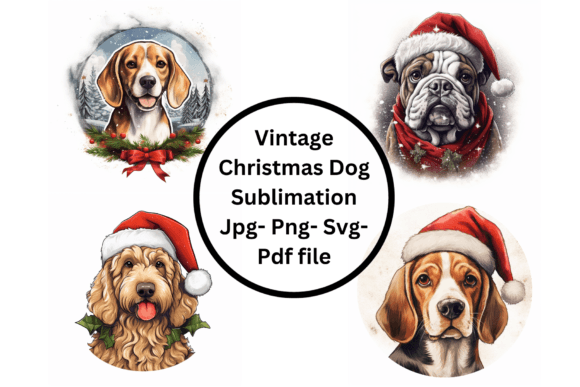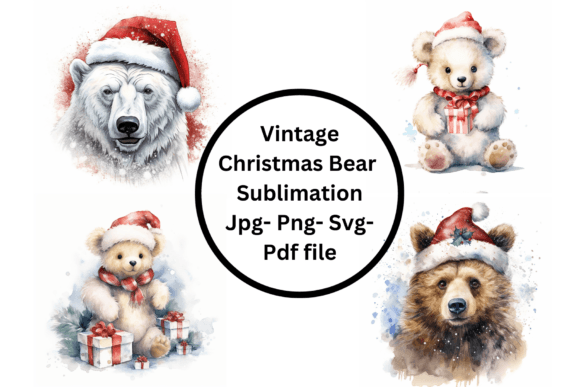
Review: Vintage Christmas Bear Sublimation Design
As a designer who spends more time staring at stitch maps than actual fabric, I have learned to be skeptical of cute holiday graphics. We all know the trap: a design looks adorable on a screen but turns into a muddy, indistinct blob once the needle hits the cloth. That is why I approached the Vintage Christmas Bear Sublimation file with a critical eye. I was not just looking for a pretty picture; I was looking for a viable asset for my upcoming winter collection. After testing it across several substrates and hoop sizes, I am ready to share how this piece holds up in the real world of machine embroidery.
First Impressions and Visual Personality
The immediate appeal of this design lies in its nostalgia. It does not scream "modern minimalism" nor does it drown in overly complex Victorian details. Instead, it strikes a balance that feels warm and inviting. The line work suggests a hand-drawn quality, which is crucial for maintaining that handmade charm customers crave. When I first loaded the embroidery file into my software, I checked the color breaks. For a sublimation-style graphic intended for embroidery translation, the contrast levels are surprisingly well-managed. The bear’s features are distinct enough to survive the transition from digital pixel to physical thread.
This is not just an Illustrations category filler; it is a character with personality. The posture of the bear, likely holding a holiday element or wearing festive attire depending on the specific variant, creates a focal point that draws the eye. For those of us creating design assets for small shops, this visual clarity is non-negotiable. If the customer cannot identify the subject from three feet away, the design has failed.
Real-World Application: The Tote Bag Test
To truly evaluate the Vintage Christmas Bear Sublimation, I moved beyond the screen and into the studio. My test case was a heavy canvas tote bag, a staple item for any Etsy seller during the holiday rush. Canvas presents a unique challenge due to its weave texture. I wanted to see if the finer details of the bear would get lost in the fabric grain.
I used a medium-weight cutaway stabilizer to prevent puckering, which is a common issue with larger designs on flexible fabrics. The result was impressive. The fill stitch areas covered the canvas evenly, while the outlining satin stitch provided crisp definition around the bear’s edges. The design did not feel stiff or board-like, which is a frequent complaint with dense holiday motifs. This makes it an excellent candidate for tote bag design projects where durability and drape are equally important.
I also experimented with sweatshirt embroidery. On fleece, the design required a different approach. I increased the underlay slightly to ensure the threads sat on top of the pile rather than sinking in. The vintage aesthetic complemented the cozy nature of the garment perfectly. It transformed a basic grey hoodie into a personalized gift that felt boutique-quality rather than mass-produced.
Navigating Technical Constraints
While the design is versatile, it is not without its limitations. Experienced embroidery designers know that every file has its breaking point. Here is where you need to exercise caution with the Vintage Christmas Bear Sublimation.
- Hoop Size Matters: Do not attempt to shrink this design below four inches unless you are certain the file supports such scaling. Tiny details, such as the bear’s eyes or accessories, will merge together if the stitch density becomes too high relative to the size. Always check the minimum recommended dimensions provided by the creator.
- Fabric Texture: On highly textured fabrics like terry cloth or thick wool, some of the subtler shading effects may disappear. This design relies on clean lines. If you are working with difficult textiles, consider simplifying the thread palette to high-contrast thread colors to maintain visibility.
- Curved Surfaces: Embroidering this on a cap requires careful hooping. The center of the bear should align with the crown’s highest point. Distortion here can make the character look uneven. Use a strong stabilizer and consider digitizing adjustments if you are doing high-volume commercial embroidery on headwear.
Enhancing Product Value and Brand Consistency
Why choose this specific bear over dozens of other holiday options? The answer lies in brand consistency. For craft business owners, your product line needs a cohesive voice. This design fits seamlessly into a "vintage," "rustic," or "traditional" holiday collection. It does not clash with modern aesthetics, but it certainly leans into warmth and tradition.
When customers browse your small shop product listings, they are buying into a feeling. The Vintage Christmas Bear Sublimation evokes memories of childhood holidays, which increases the perceived value of the finished product. Whether you are selling embroidered patch items for jackets or full-sized pillow covers, the emotional resonance of the design helps justify a higher price point. It signals quality and thoughtfulness.
Furthermore, using a well-balanced design reduces your production risk. Fewer thread breaks and less troubleshooting mean faster turnaround times. For handmade product creators, time is money. A reliable digital embroidery file that stitches out cleanly the first time is worth its weight in gold.
Practical Notes for the Studio
Before you commit to a large batch of custom apparel or baby embroidery items, follow these practical steps to ensure success:
- Test on Scrap Fabric: Never skip this step. Stitch the design on the exact fabric type you plan to use for production. Check for puckering, thread tension issues, and color accuracy.
- Check Thread Contrast: View your test stitch-out in black and white. If the design loses its definition without color, you may need to adjust your thread choices or add more outlining stitches.
- Verify Licensing: Always confirm the license terms. Can you use this for commercial embroidery? Are there restrictions on the number of physical items you can sell? Most reputable designers provide clear guidelines, but it is your responsibility to read them.
- Mockup Validation: Use printable mockup tools to visualize the design on different products before stitching. This helps in marketing your holiday embroidery items effectively on social media and online marketplaces.
Final Verdict
The Vintage Christmas Bear Sublimation is a solid addition to any seasonal library. It is not just a cute graphic; it is a functional, well-structured applique design or standard embroidery motif that respects the limitations of the medium. It performs admirably on stable fabrics like cotton and canvas, and with proper stabilization, it works well on knits too.
For creative entrepreneurs and makers looking to expand their holiday offerings, this design offers a safe yet charming option. It avoids the pitfalls of overly complex digitizing while retaining enough detail to look professional. Whether you are creating kitchen towel sets, aprons, or nursery decor, this bear brings a touch of classic holiday spirit that appeals to a broad audience. Just remember to respect the technical constraints, test your materials, and let the quality of your stitching do the talking.