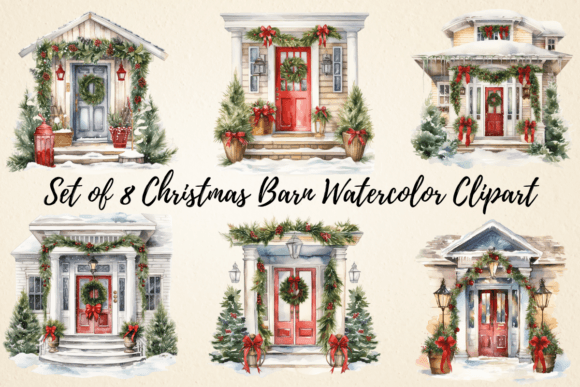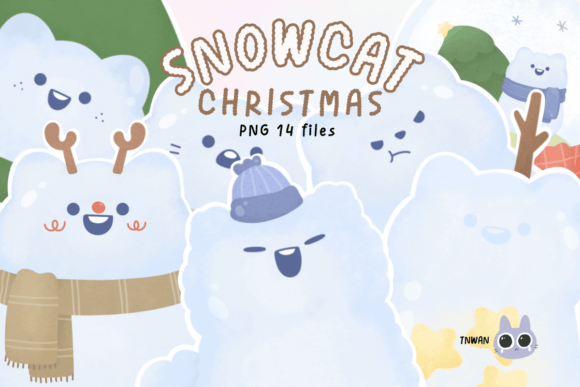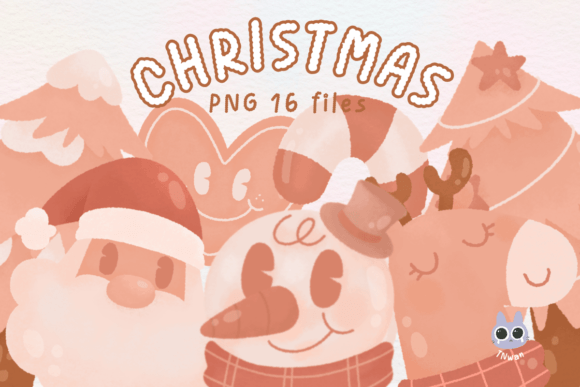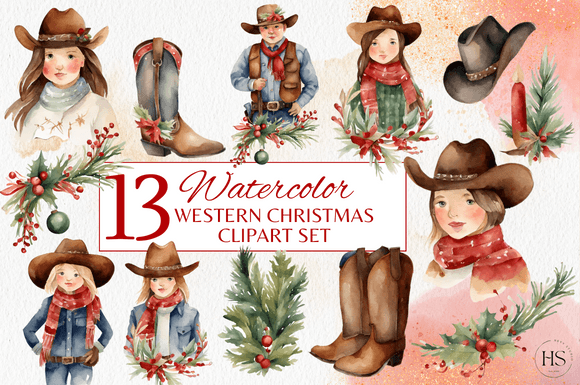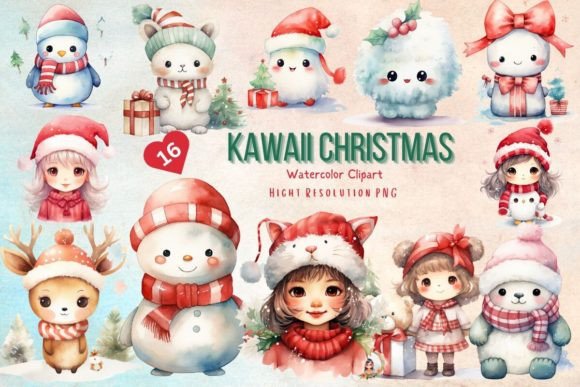
Kawaii Christmas Watercolor Clipart Illustrations
As a seasoned crafter and handmade business designer, I have sifted through thousands of digital assets over the years. Most look pretty on a screen but fail the moment you try to press them onto a mug or cut them into vinyl. That is why I approach every new graphic design asset with a critical eye, specifically looking for how it translates from pixel to physical product. Recently, I downloaded the Kawaii Christmas Watercolor Clipart collection to test its viability for my upcoming holiday inventory. My goal was simple: determine if these Illustrations could hold up in a real-world crafting workflow for my Etsy shop and local craft fair preparations.
First Impressions: Mood and Market Fit
The first thing that struck me about this collection was the immediate sense of warmth and whimsy. The style is undeniably cute, leaning heavily into the kawaii aesthetic with soft, rounded edges and expressive, friendly faces on traditional holiday symbols. It does not feel rustic or overly elegant; instead, it radiates a playful, cozy, and feminine energy. This specific mood is crucial for targeting the right buyer. These designs are not for the minimalist who wants stark black-and-white line art. They are for the customer who loves color, nostalgia, and a touch of childlike wonder.
For a handmade seller, understanding this vibe helps you position your products correctly. This asset speaks directly to buyers looking for gift items that feel personal and cheerful. It suggests a brand personality that is approachable and sweet. If your small business branding relies on bold, industrial, or ultra-modern aesthetics, this might clash. However, if your shop focuses on family-friendly gifts, baby’s first Christmas items, or cheerful home decor, this collection is a perfect match.
Real-World Crafting Applications
I put these files to work immediately across several different mediums to see where they shined. Here is how the Kawaii Christmas Watercolor Clipart performed in actual production scenarios.
Sublimation and Print-on-Demand
This is where watercolor assets typically excel, and this set was no exception. I used the PNG files for sublimation designs on white ceramic mugs and polyester tote bags. The transparency in the PNG design was clean, meaning I did not have to spend hours manually removing background artifacts. The colors remained vibrant after pressing, though I did note that watercolor textures can sometimes appear slightly washed out on certain fabrics. To combat this, I adjusted the saturation slightly in my design software before printing. The results on tumbler wraps were particularly stunning, as the curved surface allowed the watercolor blends to flow naturally, enhancing the hand-painted look.
Cricut and Silhouette Projects
Using these for cutting machines required a different strategy. Since watercolor images are raster-based, they are not ideal for direct vinyl cutting unless you are using print-then-cut features. For sticker design, this is perfect. I created a sheet of planner stickers using the smaller elements like gingerbread men and snowmen. The details held up well at a 2-inch size. However, for pure vinyl projects, I found that the intricate watercolor splashes did not translate well to HTV (Heat Transfer Vinyl). If you are making a t-shirt design using vinyl, you would need to simplify the image or use it as a printed graphic rather than a cut shape.
Printable Products and Paper Crafts
The resolution was high enough for printable design uses, such as greeting cards and gift tags. I incorporated the illustrations into a bundle of printable wall art, pairing them with simple serif fonts to balance the playfulness of the clipart. The files worked beautifully for scrapbooking layouts and party decorations. For handmade packaging, I printed these on adhesive label paper to create custom thank-you cards for my orders, which added a professional yet personal touch to my unboxing experience.
Technical Considerations for Crafters
While the aesthetic appeal is high, there are technical nuances you must address before selling finished products. Here are my practical notes for anyone integrating this design bundle into their workflow.
- Check Resolution: Always confirm the DPI of the PNG files. For sublimation and large-format prints like tote bags, you need at least 300 DPI at the intended print size. Blurry edges kill the perceived quality of a handmade item.
- Test Color Accuracy: Watercolor colors can shift between screen and print. I strongly recommend running a test print on your specific substrate. What looks bright pink on your monitor might print as a muted coral on your mug press.
- Contrast Matters: These designs work best on white or very light backgrounds. Placing them on dark products requires a white underbase in sublimation or a white vinyl backing, which can alter the translucent watercolor effect. Be cautious with low-contrast colors on light fabrics.
- Simplify for Small Sizes: If you are making small sticker sizes or jewelry tags, the finer details of the watercolor brushstrokes may get lost. Resize and preview your design at 100% zoom to ensure readability.
- Font Pairing: Because the illustrations are busy and textured, pair them with clean sans serif fonts or simple handwritten fonts. Avoid overly decorative display fonts that compete with the artwork.
Where to Use It Carefully
Not every project is a good fit for this type of asset. I learned quickly that these illustrations should be used carefully in crowded compositions. Because watercolor has soft, undefined edges, layering too many elements can make a design look muddy rather than artistic. Avoid using these for designs that require sharp, clean lines, such as intricate layered vinyl projects where precision is key. Additionally, be mindful of very small cutting details. If you are using a print-then-cut feature for tiny die-cut stickers, ensure your machine’s calibration is perfect, as the soft edges can sometimes confuse optical sensors if the contrast is too low.
Commercial Licensing and Business Value
For Etsy product creators and creative entrepreneurs, the licensing terms are paramount. Before adding any items to your store, confirm the commercial license details. Most reputable marketplaces allow you to use these assets in end products you sell, such as mugs, shirts, and printed cards, but prohibit reselling the digital files themselves. Using this Kawaii Christmas Watercolor Clipart as part of a larger composition adds significant value to your offerings. It saves you the time of creating original artwork from scratch while providing a professional look that customers trust.
Incorporating these design assets into your seasonal collections can streamline your production process. Whether you are preparing for a busy craft fair season or updating your print-on-demand store, having a cohesive set of illustrations allows for faster mockup creation and consistent branding. Just remember to always place your designs on real product mockups to verify the final look before listing them as an Etsy product or offering them to customers.
In conclusion, this collection is a strong contender for crafters focusing on cute, festive, and family-oriented goods. It requires some technical diligence regarding color management and sizing, but the payoff is a charming, high-quality aesthetic that resonates with holiday shoppers. By testing the files thoroughly and understanding their limitations, you can leverage this graphic design asset to boost your handmade business and delight your customers.